Domain rcvb.de kaufen?
Wir ziehen mit dem Projekt
rcvb.de um.
Sind Sie am Kauf der Domain
rcvb.de interessiert?
domain@kv-gmbh.de · 0541-91531010
Domain rcvb.de kaufen?
Was ergibt 1 x 1?
1 x 1 ergibt 1. **
Ist cosh(x)sinh(x) = 1?
Nein, cosh(x)sinh(x) ist nicht immer gleich 1. Die Identität cosh(x)sinh(x) = 1 gilt nur für den speziellen Fall, wenn x = 0 ist. Für alle anderen Werte von x ist cosh(x)sinh(x) nicht gleich 1, da cosh(x) und sinh(x) verschiedene Funktionen sind, die sich nur unter bestimmten Bedingungen multiplizieren, um 1 zu ergeben. **

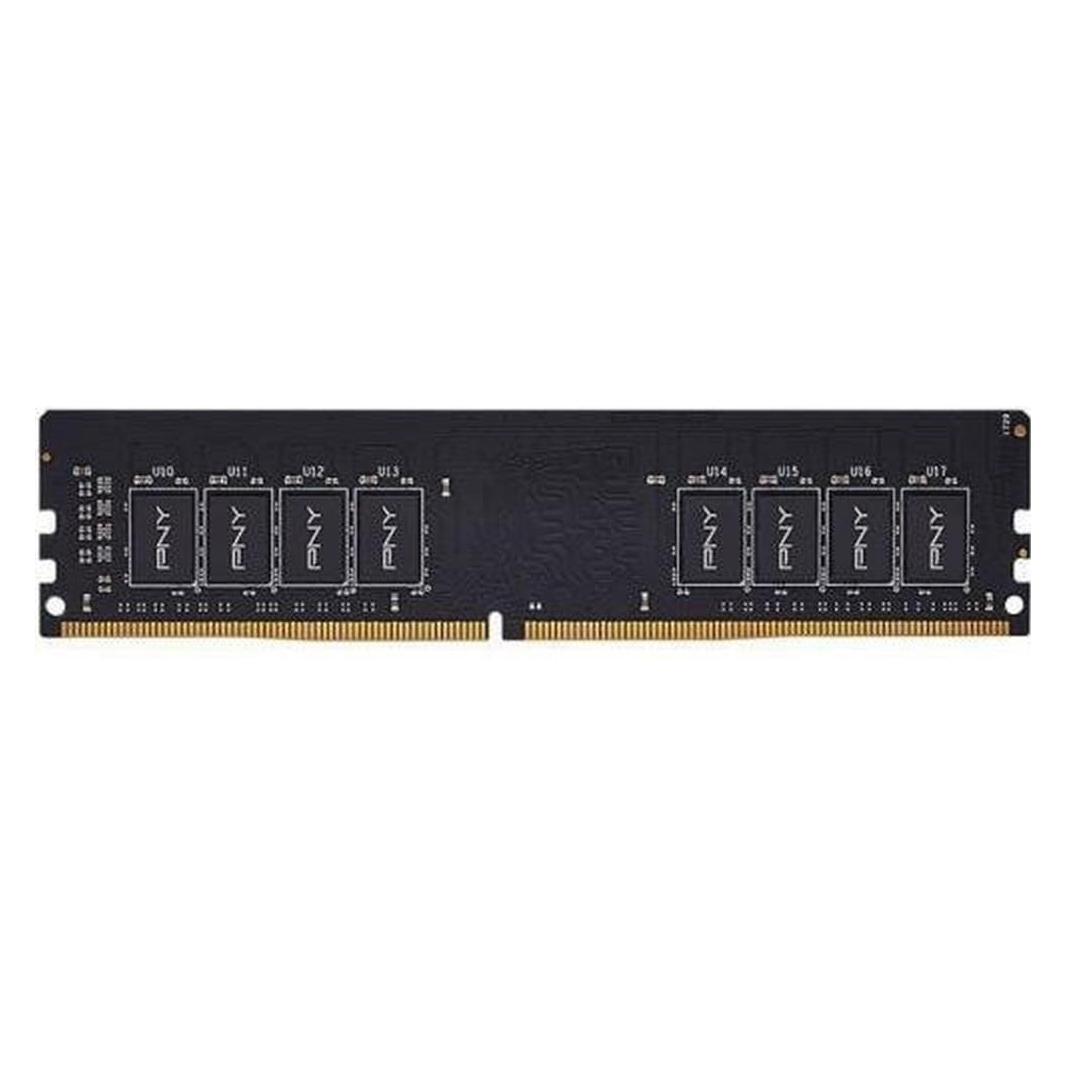
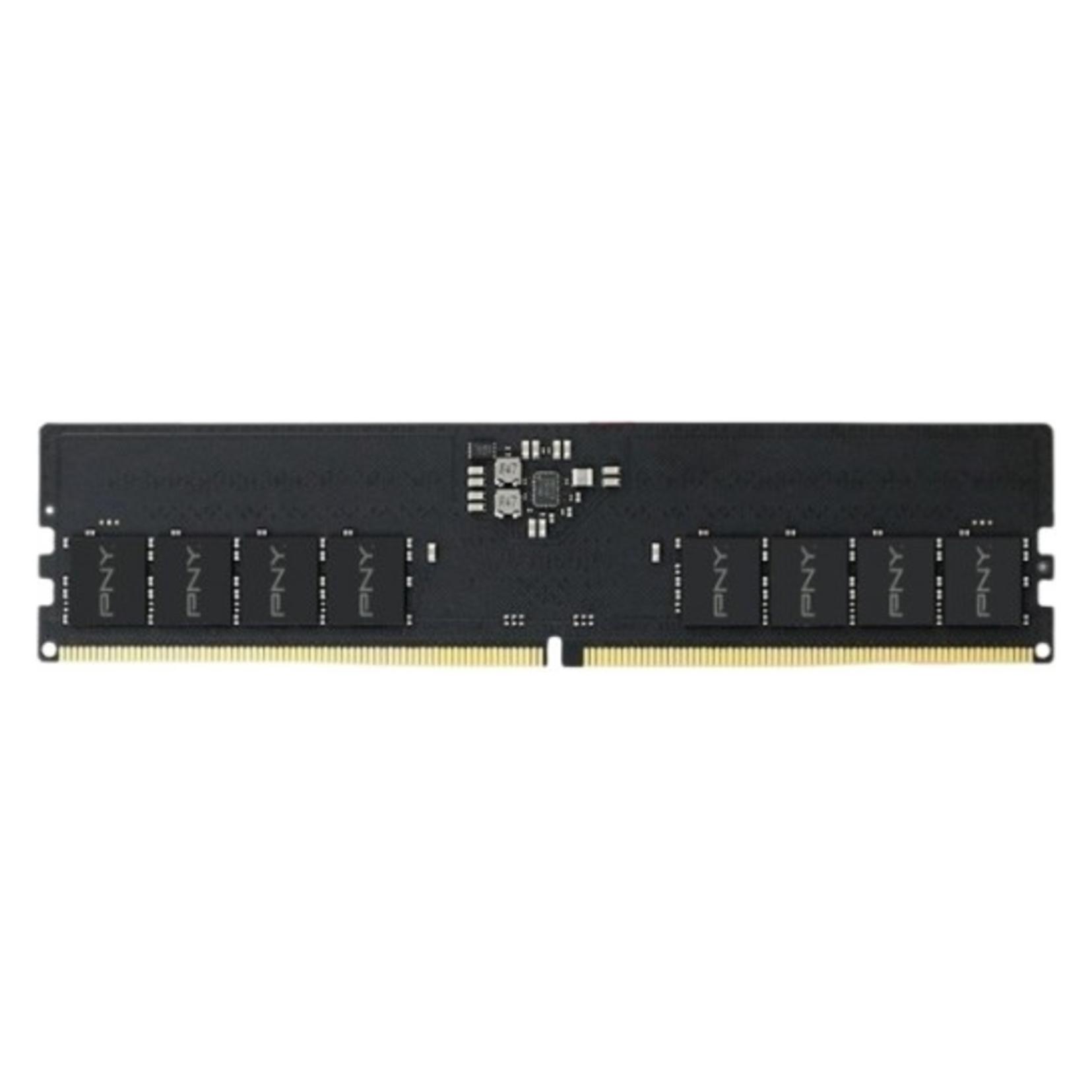
Ähnliche Suchbegriffe für PNY-Performance-1-x
Top-Angebote
Produkte zum Begriff PNY-Performance-1-x:
-
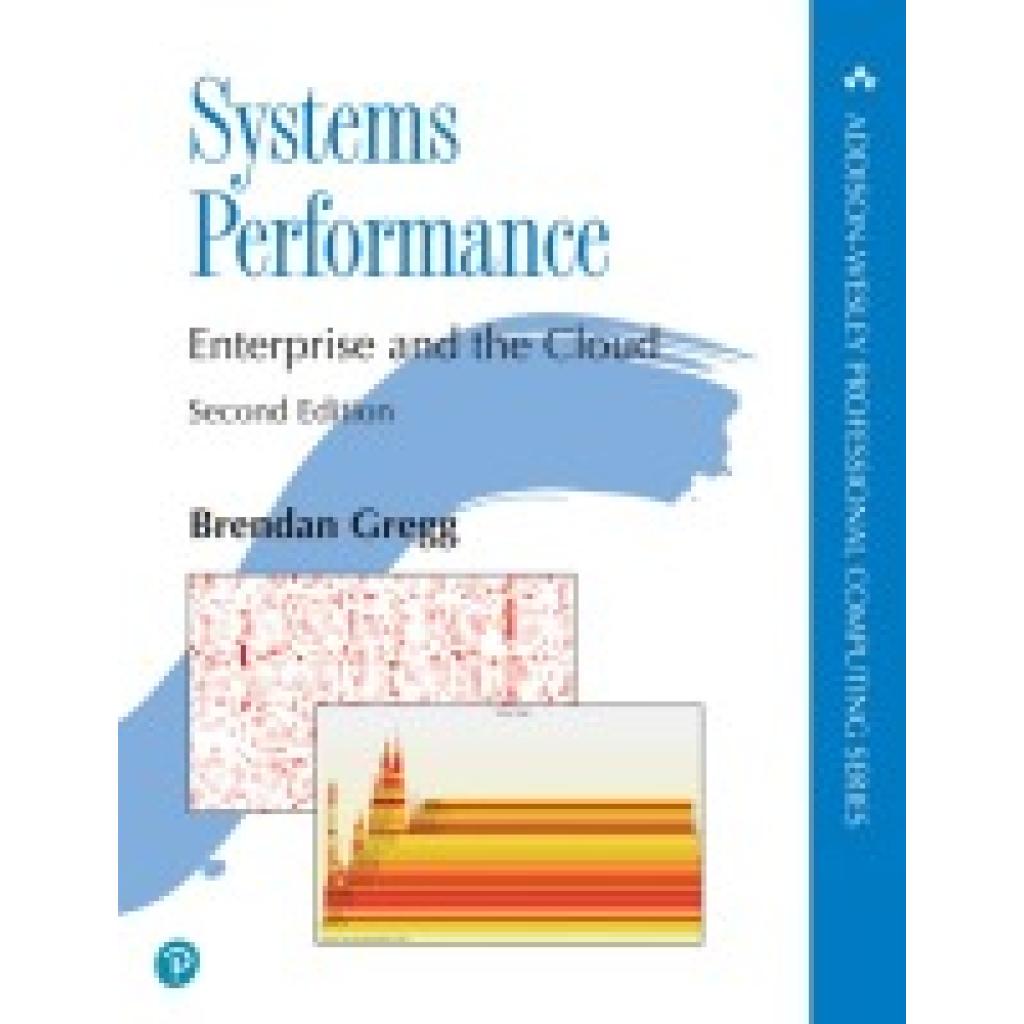
Gregg, Brendan: Systems PerformanceSystems Performance , Systems Performance, Second Edition, covers concepts, strategy, tools, and tuning for operating systems and applications, using Linux-based operating systems as the primary example. A deep understanding of these tools and techniques is critical for developers today. Implementing the strategies described in this thoroughly revised and updated edition can lead to a better end-user experience and lower costs, especially for cloud computing environments that charge by the OS instance. Systems performance expert and best-selling author Brendan Gregg summarizes relevant operating system, hardware, and application theory to quickly get professionals up to speed even if they have never analyzed performance before. Gregg then provides in-depth explanations of the latest tools and techniques, including extended BPF, and shows how to get the most out of cloud, web, and large-scale enterprise systems. Key topics covered include Hardware, kernel, and application internals, and how they perform Methodologies for rapid performance analysis of complex systems Optimizing CPU, memory, file system, disk, and networking usage Sophisticated profiling and tracing with perf, Ftrace, and BPF (BCC and bpftrace) Performance challenges associated with cloud computing hypervisors Benchmarking more effectively Featuring up-to-date coverage of Linux operating systems and environments, Systems Performance, Second Edition, also addresses issues that apply to any computer system. The book will be a go-to reference for many years to come and, like the first edition, required reading at leading tech companies. Register your book for convenient access to downloads, updates, and/or corrections as they become available. See inside book for details. , Federungsset > Sportfederung , Auflage: 2. Auflage, Erscheinungsjahr: 20201216, Produktform: Kartoniert, Titel der Reihe: Addison-Wesley Professional Co##, Autoren: Gregg, Brendan, Auflage: 21002, Auflage/Ausgabe: 2. Auflage, Seitenzahl/Blattzahl: 928, Themenüberschrift: COMPUTERS / Operating Systems / UNIX, Fachschema: Open Source (EDV), Imprint-Titels: Addison-Wesley Professional Co, Warengruppe: HC/Betriebssysteme/Benutzeroberflächen, UNSPSC: 49019900, Warenverzeichnis für die Außenhandelsstatistik: 49019900, Länge: 178, Breite: 234, Höhe: 51, Gewicht: 1562, Produktform: Kartoniert, Genre: Importe,58,54 €*Versand: 0,00 €Sichere Weiterleitung zum Anbieter



-
Welche Asymptoten haben die Funktionen f(x) = 6x/(x^2 + 13x + 1) und g(x) = 2x/(x^2 + x + 1)?
Die Funktion f(x) hat eine vertikale Asymptote bei x = 0, da der Nenner für x = 0 nicht gleich null ist. Es gibt keine horizontalen Asymptoten, da der Grad des Zählers (Grad 1) kleiner ist als der Grad des Nenners (Grad 2). Die Funktion g(x) hat keine vertikale Asymptoten, da der Nenner für keine x-Werte gleich null ist. Es gibt eine horizontale Asymptote bei y = 0, da der Grad des Zählers (Grad 1) kleiner ist als der Grad des Nenners (Grad 2). **
-
Warum ist sqrt(x*x) gleich 1/sqrt(x)?
Die Gleichung sqrt(x*x) = 1/sqrt(x) ist nicht korrekt. Tatsächlich ist sqrt(x*x) gleich |x|, da die Wurzel einer Quadratzahl immer den positiven Wert ergibt. Die Gleichung 1/sqrt(x) ist eine separate mathematische Aussage und hat keine direkte Beziehung zur Wurzel einer Quadratzahl. **
-
Warum ist sqrt(x*x) gleich 1/sqrt(x)?
Die Gleichung sqrt(x*x) = 1/sqrt(x) ist nicht immer wahr. Es hängt von dem Wert von x ab. Wenn x eine positive Zahl ist, dann ist sqrt(x*x) gleich x, nicht 1/sqrt(x). Wenn x eine negative Zahl ist, dann ist sqrt(x*x) gleich -x, nicht 1/sqrt(x). **
-
Ist 1 durch minus x dasselbe wie minus 1 durch x?
Ja, 1 durch minus x ist dasselbe wie minus 1 durch x. Beide Ausdrücke repräsentieren die inverse Zahl von x, jedoch mit unterschiedlichen Vorzeichen. **

Warum ist ln(x) für x < 1?
Die natürliche Logarithmusfunktion ln(x) ist für x < 1 definiert, da sie die Umkehrfunktion der Exponentialfunktion e^x ist. Da die Exponentialfunktion für negative Werte von x definiert ist, ist auch der natürliche Logarithmus für Werte von x < 1 definiert. Der natürliche Logarithmus von x < 1 ist negativ und wird kleiner, je näher x an 0 heranreicht. **
Wie integriert man x^2 + 1 + x^2?
Um x^2 + 1 + x^2 zu integrieren, kannst du die beiden x^2-Terme zu einem einzigen Term zusammenfassen. Das ergibt 2x^2 + 1. Dann kannst du die Potenzregel für die Integration anwenden, indem du den Exponenten um 1 erhöhst und durch den neuen Exponenten teilst. Die Integration von 2x^2 + 1 ergibt (2/3)x^3 + x + C, wobei C eine Konstante ist. **
Top-Angebote
Produkte zum Begriff PNY-Performance-1-x:
-
Gregg, Brendan: Systems PerformanceSystems Performance , Systems Performance, Second Edition, covers concepts, strategy, tools, and tuning for operating systems and applications, using Linux-based operating systems as the primary example. A deep understanding of these tools and techniques is critical for developers today. Implementing the strategies described in this thoroughly revised and updated edition can lead to a better end-user experience and lower costs, especially for cloud computing environments that charge by the OS instance. Systems performance expert and best-selling author Brendan Gregg summarizes relevant operating system, hardware, and application theory to quickly get professionals up to speed even if they have never analyzed performance before. Gregg then provides in-depth explanations of the latest tools and techniques, including extended BPF, and shows how to get the most out of cloud, web, and large-scale enterprise systems. Key topics covered include Hardware, kernel, and application internals, and how they perform Methodologies for rapid performance analysis of complex systems Optimizing CPU, memory, file system, disk, and networking usage Sophisticated profiling and tracing with perf, Ftrace, and BPF (BCC and bpftrace) Performance challenges associated with cloud computing hypervisors Benchmarking more effectively Featuring up-to-date coverage of Linux operating systems and environments, Systems Performance, Second Edition, also addresses issues that apply to any computer system. The book will be a go-to reference for many years to come and, like the first edition, required reading at leading tech companies. Register your book for convenient access to downloads, updates, and/or corrections as they become available. See inside book for details. , Federungsset > Sportfederung , Auflage: 2. Auflage, Erscheinungsjahr: 20201216, Produktform: Kartoniert, Titel der Reihe: Addison-Wesley Professional Co##, Autoren: Gregg, Brendan, Auflage: 21002, Auflage/Ausgabe: 2. Auflage, Seitenzahl/Blattzahl: 928, Themenüberschrift: COMPUTERS / Operating Systems / UNIX, Fachschema: Open Source (EDV), Imprint-Titels: Addison-Wesley Professional Co, Warengruppe: HC/Betriebssysteme/Benutzeroberflächen, UNSPSC: 49019900, Warenverzeichnis für die Außenhandelsstatistik: 49019900, Länge: 178, Breite: 234, Höhe: 51, Gewicht: 1562, Produktform: Kartoniert, Genre: Importe,58,54 €*Versand: 0,00 €Sichere Weiterleitung zum Anbieter
-
Was ergibt 1 x 1?
1 x 1 ergibt 1. **
-
Ist cosh(x)sinh(x) = 1?
Nein, cosh(x)sinh(x) ist nicht immer gleich 1. Die Identität cosh(x)sinh(x) = 1 gilt nur für den speziellen Fall, wenn x = 0 ist. Für alle anderen Werte von x ist cosh(x)sinh(x) nicht gleich 1, da cosh(x) und sinh(x) verschiedene Funktionen sind, die sich nur unter bestimmten Bedingungen multiplizieren, um 1 zu ergeben. **
-
Welche Asymptoten haben die Funktionen f(x) = 6x/(x^2 + 13x + 1) und g(x) = 2x/(x^2 + x + 1)?
Die Funktion f(x) hat eine vertikale Asymptote bei x = 0, da der Nenner für x = 0 nicht gleich null ist. Es gibt keine horizontalen Asymptoten, da der Grad des Zählers (Grad 1) kleiner ist als der Grad des Nenners (Grad 2). Die Funktion g(x) hat keine vertikale Asymptoten, da der Nenner für keine x-Werte gleich null ist. Es gibt eine horizontale Asymptote bei y = 0, da der Grad des Zählers (Grad 1) kleiner ist als der Grad des Nenners (Grad 2). **
-
Warum ist sqrt(x*x) gleich 1/sqrt(x)?
Die Gleichung sqrt(x*x) = 1/sqrt(x) ist nicht korrekt. Tatsächlich ist sqrt(x*x) gleich |x|, da die Wurzel einer Quadratzahl immer den positiven Wert ergibt. Die Gleichung 1/sqrt(x) ist eine separate mathematische Aussage und hat keine direkte Beziehung zur Wurzel einer Quadratzahl. **
Ähnliche Suchbegriffe für PNY-Performance-1-x
-
Warum ist sqrt(x*x) gleich 1/sqrt(x)?
Die Gleichung sqrt(x*x) = 1/sqrt(x) ist nicht immer wahr. Es hängt von dem Wert von x ab. Wenn x eine positive Zahl ist, dann ist sqrt(x*x) gleich x, nicht 1/sqrt(x). Wenn x eine negative Zahl ist, dann ist sqrt(x*x) gleich -x, nicht 1/sqrt(x). **
-
Ist 1 durch minus x dasselbe wie minus 1 durch x?
Ja, 1 durch minus x ist dasselbe wie minus 1 durch x. Beide Ausdrücke repräsentieren die inverse Zahl von x, jedoch mit unterschiedlichen Vorzeichen. **
-
Warum ist ln(x) für x < 1?
Die natürliche Logarithmusfunktion ln(x) ist für x < 1 definiert, da sie die Umkehrfunktion der Exponentialfunktion e^x ist. Da die Exponentialfunktion für negative Werte von x definiert ist, ist auch der natürliche Logarithmus für Werte von x < 1 definiert. Der natürliche Logarithmus von x < 1 ist negativ und wird kleiner, je näher x an 0 heranreicht. **
-
Wie integriert man x^2 + 1 + x^2?
Um x^2 + 1 + x^2 zu integrieren, kannst du die beiden x^2-Terme zu einem einzigen Term zusammenfassen. Das ergibt 2x^2 + 1. Dann kannst du die Potenzregel für die Integration anwenden, indem du den Exponenten um 1 erhöhst und durch den neuen Exponenten teilst. Die Integration von 2x^2 + 1 ergibt (2/3)x^3 + x + C, wobei C eine Konstante ist. **
* Alle Preise verstehen sich inklusive der gesetzlichen Mehrwertsteuer und ggf. zuzüglich Versandkosten. Die Angebotsinformationen basieren auf den Angaben des jeweiligen Shops und werden über automatisierte Prozesse aktualisiert. Eine Aktualisierung in Echtzeit findet nicht statt, so dass es im Einzelfall zu Abweichungen kommen kann. ** Hinweis: Teile dieses Inhalts wurden von KI erstellt.